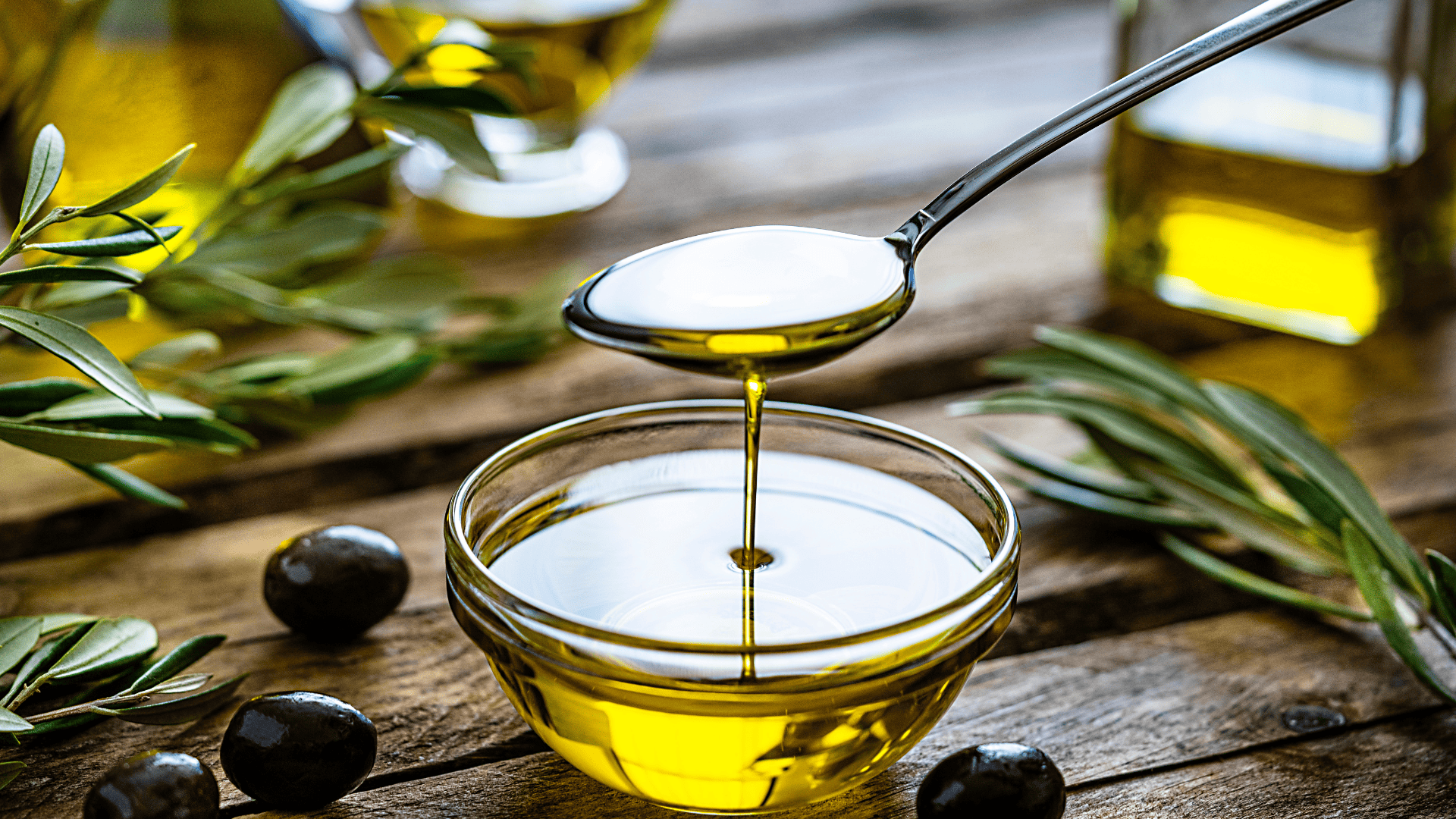
In the Cretan countryside, the olive harvest brings families back to their groves for days of shared work and the anticipation of the season’s first oil. Long before it reaches the table, olive oil is part of a tradition shaped by the land and the people who care for it.
When the Harvest Begins
The olive harvest usually takes place from autumn into winter, although the timing varies according to the weather, location, and olive variety. Producers choose when to collect the fruit depending on its ripeness and the character they want their oil to have.
As the season begins, nets are unfolded, equipment is prepared, and the work moves from one tree to the next.
Nets Beneath the Trees
Large nets are spread beneath the olive trees to catch the falling fruit. Growers use handheld tools or powered harvesting combs to bring the olives down before gathering them for transport.
It is physical, repetitive work, but in family groves there is often a familiar rhythm to the day. Conversations continue between the branches, with breaks for coffee or a shared meal before everyone returns to the harvest.
Once collected, the olives are taken promptly to the local elaiotrivio, or olive mill, to help preserve their quality.
From Olives to Oil
At the mill, the olives are cleaned, washed, and crushed into a paste. The paste is slowly mixed so that small droplets of oil come together, before centrifugal equipment separates the oil from the water and solid material.
Modern machinery has replaced many older stone mills and presses, but careful handling and timely processing remain essential parts of the journey.
The First Taste of the Season
For growers, tasting the new oil is a moment worth waiting for. Its aroma and flavour reflect the fruit, the timing of the harvest, and the care taken along the way.
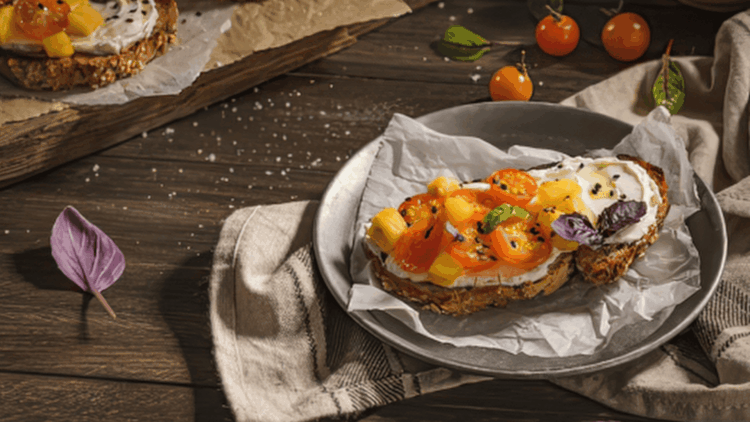
Fresh or toasted bread is often all that is needed to enjoy it. After long days among the trees, this simple taste brings the work of the season together.
A Tradition Passed Down Through Generations
In family groves, harvesting is also a way of sharing knowledge. Younger generations learn by helping, while relatives spend time together on land that holds familiar memories.
Behind each bottle are these moments: nets beneath the branches, the journey to the mill, and bread dipped into freshly made oil. They are part of what makes olive oil such a meaningful ingredient on the Cretan table.